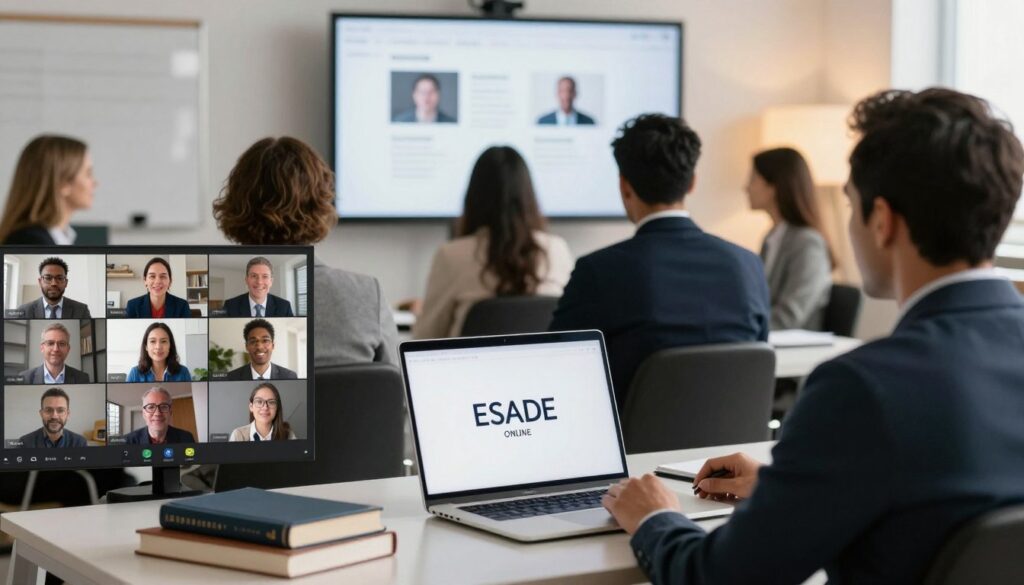
Anúncios

Explore Healthcare Training Programs and Learning Opportunities Online
We aim to connect old-school learning with today’s digital world. Our goal is to give you clear paths for healthcare skill development. This way, you can do great in your job. We make sure everyone in the medical field gets the knowledge they need.
Whether you’re a nurse, doctor, or manager, these tools help you learn new things fast. Using digital methods, you can keep giving top care to patients and move up in your career. Begin your path to becoming an expert today with our special educational content.
- Access flexible digital tools for career advancement.
- Enhance clinical expertise through structured modules.
- Improve patient outcomes with updated industry knowledge.
The Evolution of Digital Healthcare Education
The move to virtual learning platforms is changing healthcare education worldwide. This shift makes learning more flexible and fits into the busy lives of medical staff. Now, learners can learn complex topics at their own pace, without being tied to a specific location.
Digital healthcare education
Shifting from Traditional Classrooms to Virtual Learning
Before, medical education needed you to be in a classroom or clinical setting. Now, digital healthcare education lets you learn from anywhere. This is key for those who need to keep learning while working.
Anúncios
Online learning has many benefits:
- Increased accessibility for those in rural or remote areas.
- Chance to review complex topics whenever needed.
- Opportunity to learn from diverse online communities.

The Role of Technology in Modern Medical Training
Modern medical training technology has changed how we learn. Tools like interactive simulations and real-time data analysis make online learning tough and reliable. These tools help learners practice in a safe, real-world-like environment.
The table below shows how old training methods differ from new digital ones:
| Feature | Traditional Classroom | Virtual Learning Platforms |
| Scheduling | Fixed and rigid | On-demand and flexible |
| Content Access | Limited to physical books | Cloud-based, instant access |
| Engagement | Passive listening | Interactive simulations |
The use of medical training technology keeps instruction quality high. As virtual learning platforms grow, they’ll play a bigger part in shaping global health standards.
Explore Healthcare Training Programs and Learning Opportunities Online
Finding the right medical education online can be tough. It’s key to use online resources to plan your career. This helps make sure your education fits your current job and future goals.
Explore Healthcare Training Programs and Learning Opportunities Online
Consulcesi Group Online Courses
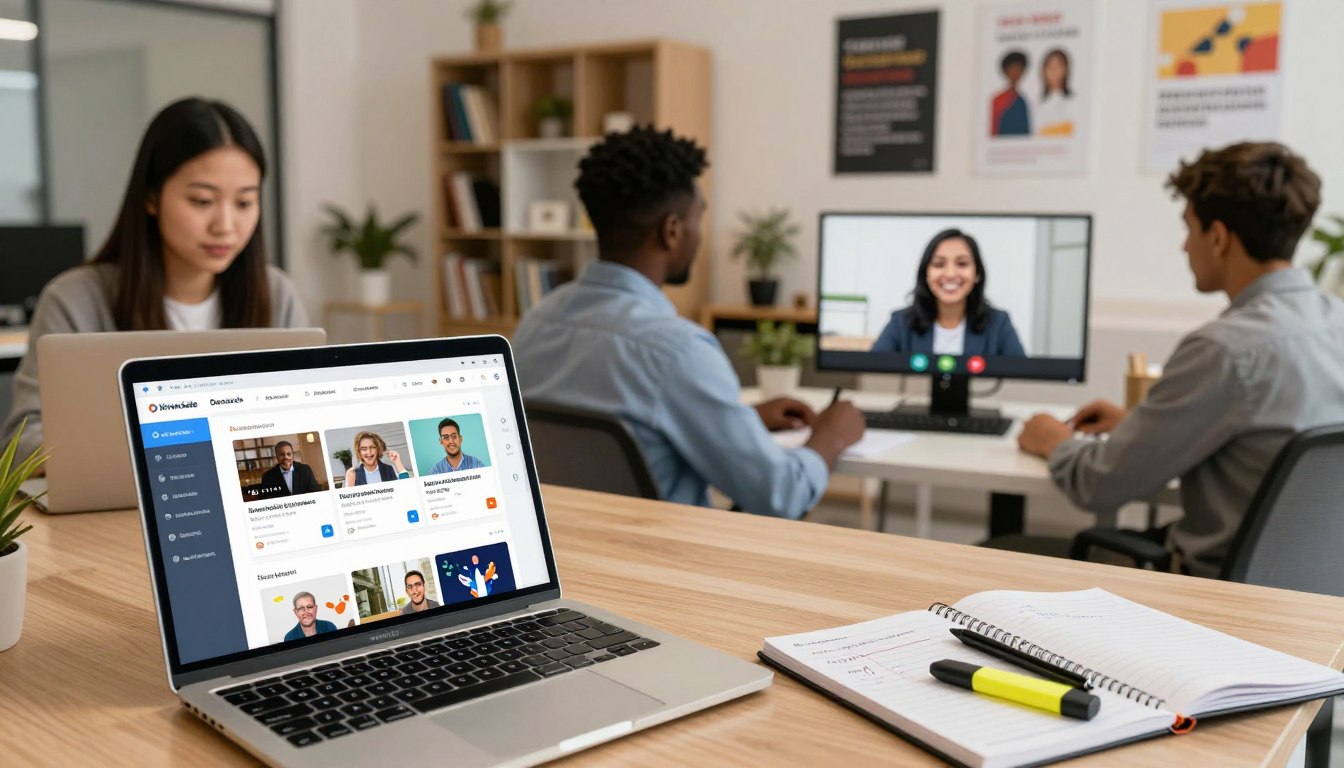
You will be redirected to another website
Identifying Reputable Digital Platforms
Not all virtual learning platforms are the same. It’s important to check if a site is trustworthy. Look for sites that work with well-known medical groups or schools.
Here are some signs of a good site:
- Accreditation status from national or international medical associations.
- Transparent faculty credentials and peer-reviewed content.
- Positive feedback from established healthcare professionals in your field.
- Regular updates to course materials to reflect current medical standards.

Navigating Course Catalogs and Specializations
After finding a reliable site, picking the right online medical courses is the next step. Most sites have filters to help you find what you need. Using these filters can save you time and help you learn more effectively.
Here’s how to sort your search:
| Category | Focus Area | Outcome |
| Clinical Skills | Hands-on procedures | Improved patient care |
| Administrative | Healthcare management | Operational efficiency |
| Specialization | Niche medical fields | Career advancement |
Always check the course syllabus and what you’ll learn before signing up. This way, you can make sure the course matches your career goals. This approach helps you get the most out of your online learning.
Benefits of Remote Professional Development for Healthcare Workers
Advancing your medical career doesn’t mean giving up your free time or spending a lot of money. With top-notch professional development resources, you can keep up with the latest in your field. This is all possible without leaving your busy schedule behind. Digital learning makes it easy to fit education into your life.
Flexibility and Work-Life Balance
Digital education offers a big plus: remote learning flexibility. Healthcare workers often have unpredictable schedules. This makes it hard to attend classes in person. But online, you can learn whenever it’s convenient for you.
This flexibility means you can study during breaks or at home. It saves you from spending hours commuting. This helps prevent burnout and lets you grow in your career.
Cost-Effectiveness of Online Learning Modules
Online continuing education modules are also cheaper than in-person seminars. Workshops often come with extra costs like travel and lodging. But digital learning saves you money, making it easier to get certified.
Here’s a comparison of traditional and digital training:
| Feature | Traditional Training | Online Learning |
| Travel Costs | High | None |
| Scheduling | Fixed | On-Demand |
| Resource Access | Limited | Unlimited |
Choosing digital tools keeps you ahead in medical innovation. It’s both convenient and affordable. This makes online learning a key tool for today’s healthcare professionals.
Aligning Training Programs with Current Industry Needs
Staying relevant in today’s fast-moving healthcare environment depends on choosing training that reflects real-world healthcare industry standards. Practitioners must ensure their educational choices translate directly into improved clinical performance and patient safety. By selecting programs that mirror current professional requirements, you position yourself for long-term career success.
Staying Updated with Rapidly Evolving Medical Standards
The medical field undergoes constant transformation due to new research and shifting regulatory guidelines. High-quality online medical courses are specifically designed to integrate these changes into their curriculum in real-time. This ensures that your knowledge base remains current rather than relying on outdated textbooks or legacy practices.
Professionals who prioritize platforms that update their content frequently gain a significant competitive edge. Staying current allows you to adapt to new diagnostic tools and treatment protocols as they emerge. This proactive approach is essential for maintaining high standards of care in any clinical setting.
The Importance of Evidence-Based Educational Content
Clinical competency relies heavily on the use of evidence-based medical content. When you choose training programs that cite peer-reviewed research and clinical trials, you ensure that your practice is grounded in proven science. This commitment to accuracy directly impacts the quality of care provided to patients.
The following table highlights the differences between standard training and programs aligned with modern industry needs:
| Feature | Traditional Training | Modern Aligned Programs |
| Content Basis | Static Textbooks | Current Research |
| Regulatory Focus | General Guidelines | Latest Compliance Standards |
| Clinical Impact | Theoretical Knowledge | Practical Competency |
Ultimately, your choice of education should reflect a dedication to evidence-based medical content. By vetting programs for their adherence to current research, you protect your professional reputation and enhance patient outcomes. Investing in high-quality online medical courses is the most effective way to meet the rigorous demands of the modern healthcare landscape.
Evaluating Informational Resources Before Enrollment
Exploring digital medical education needs a careful plan. Before joining a program, check the educational resources. Evaluating online training helps avoid wasting time on unsuitable content.
Assessing Course Syllabi and Learning Outcomes
A detailed syllabus is your guide for growth. When you do a healthcare training syllabus assessment, look for clear goals that match today’s standards. Make sure the modules teach the skills you need for your job.
Check the learning outcomes of the program. These should be clear and useful in real medical situations. If a program doesn’t share its curriculum, it might not offer quality education for healthcare.
Utilizing Reviews and Peer Feedback
Other professionals’ experiences are very helpful. Peer feedback can show the real benefits and challenges of a program. Look for reviews on independent sites for honest opinions on the teaching quality.
When comparing educational platforms, consider these points:
| Evaluation Criteria | High-Quality Program | Low-Quality Program |
| Syllabus Clarity | Detailed and transparent | Vague or missing |
| Peer Reviews | Consistently positive | Mixed or negative |
| Learning Outcomes | Evidence-based | Outdated or generic |
| Support Access | Responsive instructors | Limited or automated |
By carefully evaluating online training and listening to peers, you can choose the right program. This careful approach ensures your education investment pays off professionally.
Consulcesi Group Online Courses
You will be redirected to another website
Structuring Your Personal Learning Path
Creating a personal learning path keeps you up-to-date without ruining your work-life balance. Focus on healthcare skill development to keep your career growing and patient care high. A good plan makes tough tasks easier to handle.
Setting Realistic Professional Development Goals
Success comes from setting goals you can reach and measure. Instead of trying to learn too much at once, break it down into smaller steps. This way, you avoid burnout and stay motivated all year.
Focus on skills that improve your daily work or open new doors. Clear, time-based goals help you stay on track. Consistent effort beats trying to cram all learning into one go.
Balancing Continuing Education with Clinical Responsibilities
Adding continuing education modules to a busy schedule needs careful planning. Use remote learning flexibility to study during breaks or while commuting. This way, your learning fits your life, not the other way around.
Digital platforms let you stop and start learning as your schedule changes. Seeing education as part of your job keeps you ahead in the medical field. Here’s how to make the most of your time.
| Strategy | Benefit | Implementation |
| Micro-learning | Reduces cognitive load | 15-minute daily sessions |
| Asynchronous Study | Maximum flexibility | Off-peak hour access |
| Goal Tracking | Ensures steady progress | Monthly review cycles |
| Peer Collaboration | Enhances knowledge retention | Weekly discussion forums |
Technical Requirements and Digital Literacy for Online Learners
Clinicians today face a new challenge: balancing patient care with digital skills. As medical training technology evolves, knowing how to use online tools is just as important as clinical skills. Being digitally literate ensures you can access and use educational content throughout your career.
Essential Tools for Remote Healthcare Education
To fully engage in modern programs, you need a solid setup for video and interactive learning. You’ll need a fast internet connection and a modern browser to avoid tech issues. A dedicated workspace with a good monitor helps you stay focused during long study times.
Many remote education tools have specific software needs for the best experience. Make sure your computer meets these basic requirements:
- High-speed broadband for smooth video streaming.
- Updated operating systems for security and compatibility.
- Noise-canceling headsets for clear audio in virtual classes.
- Cloud storage for managing big medical files.
Overcoming Common Digital Learning Challenges
Even with the right tools, you might still face challenges like navigating platforms or losing connection. Get to know the platform before your first class. Most offer tutorials to help you get started.
If tech problems arise, reach out to your school’s support team. Quick communication can solve issues before they affect your learning. Having a backup plan, like a mobile hotspot, can also help during network failures.
| Requirement Category | Minimum Standard | Recommended Upgrade |
| Internet Speed | 10 Mbps | 50+ Mbps |
| Hardware | Standard Laptop | Dual-Monitor Setup |
| Software | Web Browser | Dedicated LMS App |
| Audio | Built-in Mic | External Headset |
Leveraging Certifications for Career Advancement
Today, healthcare pros are using digital credentials to shine in a busy job market. This approach is flexible, easy to access, and very relevant. It helps you grow your skills and find new chances in your field. By getting specialized training, you show you’re ahead of the game.
How Digital Credentials Impact Professional Growth
Healthcare certification benefits are more than just a resume booster. These digital badges prove your skills to employers and future bosses. They’re easy to share online, showing off your expertise right away.
Using digital credentials for professionals helps you build a solid reputation. Employers trust these badges because they show you meet industry standards. This trust can lead to quicker promotions and better job opportunities.
Documenting Skills for Future Opportunities
To move up in healthcare, you need to show off your skills smartly. Keep a portfolio that shows your certifications and experience. This makes sure your skills are seen when big jobs come up.
Here are key steps to document your growth:
- Update your digital profiles right after getting a new certification.
- Ask for endorsements from colleagues or mentors to prove your skills.
- Connect your digital badges to your online resume or website.
By organizing your records, you’re ready for the next step. Keeping your work documented turns it into a valuable asset. This is crucial for any healthcare pro aiming to succeed.
Conclusion
Digital platforms are now key for medical knowledge. You can shape your career by picking the right digital tools today.
It’s time to look into online healthcare training and learning. Sites like Coursera, edX, and LinkedIn Learning help improve your skills. They help you keep up with new medical standards.
Being committed to learning for life is crucial. By exploring online training, you stay ahead. This makes you a valuable asset to your patients and team.
Begin planning your educational goals now. Your commitment to learning changes how you care for others. Start finding quality content today to stay ahead in modern medicine.
FAQ
How can healthcare professionals identify reputable digital platforms for specialized training?
To find quality training, look at course catalogs and check the reputation of providers. Look for names like the Mayo Clinic or Johns Hopkins University. Make sure the training is based on evidence and meets current medical standards.
What are the primary benefits of shifting from traditional classrooms to virtual learning?
Virtual learning offers flexibility, allowing you to learn at your own pace. Platforms like Coursera and edX help you fit learning into your schedule. This improves your work-life balance and keeps your skills sharp.
How do digital credentials impact career advancement in the healthcare sector?
Digital credentials prove your skills and expertise. Sites like LinkedIn Learning help you show off your new skills. This makes you more attractive to employers and peers worldwide.
What strategies help in balancing continuing education with demanding clinical responsibilities?
Plan your learning to fit your schedule without adding stress. Use online modules for short, focused sessions. This way, you can grow in your career without sacrificing patient care.
Why is evidence-based educational content essential for modern medical training?
Keeping up with the latest research is crucial in healthcare. Training that focuses on evidence ensures you’re ready for new medical standards and technologies. This helps maintain high-quality care.
What are the essential technical requirements for succeeding in remote healthcare education?
You need basic digital skills and access to tools like Canvas LMS or Microsoft Teams. Overcoming digital challenges, like using complex interfaces, is also key. This ensures you can learn effectively online.
How should a professional evaluate a course syllabus before formal enrollment?
Check the course syllabus to see if it meets your career goals. Use feedback from peers to gauge the course’s usefulness. This helps ensure the course is worth the time and money.